
Studying Civil War Flags for Sale offers a profound connection to America's past. These symbols represent the North-South divide, reflecting loyalty, struggle, and historical complexity. The market, driven by historical interest, includes authentic relics and expertly crafted reproductions. Collectors seek rare flags, with authentication crucial. Understanding construction, materials, and markings helps distinguish authentic artifacts from reproductions, allowing informed buying decisions and supporting history preservation.
The Civil War flags, once flown by brave soldiers, are now valuable historical artifacts. However, the market is flooded with replicas and fakes, making it challenging to distinguish authentic pieces. This conundrum persists despite the significant historical value and increasing demand for these flags, particularly among collectors and historians. The mystery deepens with the rise of online platforms, where Civil War flags for sale are readily available, often lacking verifiable provenance. This article delves into the intricate world of flag authentication, providing insights and strategies to help enthusiasts and collectors navigate this solvable civil war flag mystery.
- Unraveling the History Behind Civil War Flags
- The Market for Civil War Flags: A Comprehensive Look
- Authentic vs. Reproductions: A Buyer's Guide
Unraveling the History Behind Civil War Flags
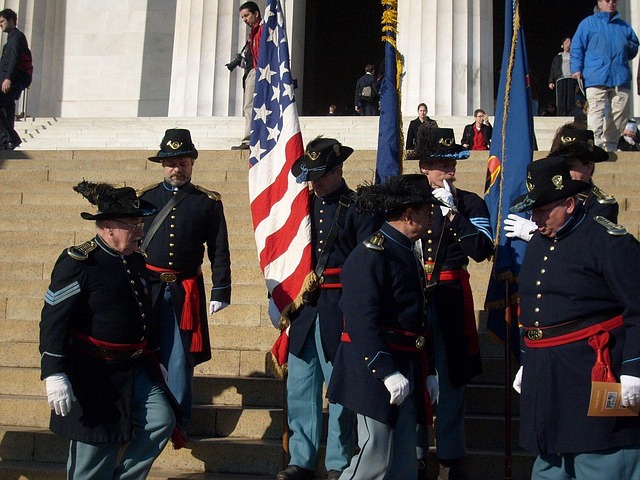
Unraveling the history behind Civil War flags offers a fascinating glimpse into one of America's most turbulent periods. The North vs South divide, exacerbated by the causes of the war, birthed iconic symbols that continue to captivate historians and enthusiasts alike. Each flag tells a story—a tale of loyalty, struggle, and the complex tapestry of that era.
The Union Jack, a symbol often associated with the North, holds historical significance as a representation of the United States during the Civil War. Its red, white, and blue stripes, alongside the stars, stood for unity and the preservation of the nation. Conversely, the Confederate flag, despite its controversial status today, was a powerful emblem for the South, symbolizing their fight for independence and states' rights. These flags, available from leading flag companies like Ultimate Flags, serve as tangible connections to the past, allowing us to explore and understand the motivations behind the conflict.
To truly appreciate these artifacts, one must delve into the context of the war. The causes, ranging from economic disparities to deep-seated cultural differences, set the stage for a battle not just over territory but over the very essence of America. The flags became more than mere banners; they represented ideologies and aspirations, leaving an indelible mark on history. Today, studying these symbols encourages a deeper understanding of the Civil War, its legacy, and our nation's ongoing struggle to reconcile its past.
The Market for Civil War Flags: A Comprehensive Look
The market for Civil War flags, encompassing both common and uncommon flags for sale, has evolved significantly, reflecting a growing interest in preserving and understanding history. These vintage flags, often dating back to the 19th century, offer a unique window into the past, making them highly sought-after by collectors, historians, and enthusiasts. The demand for authentic, well-preserved Civil War flags has created a specialized niche within the broader collector's market.
Uncommon flags, in particular, command premium prices due to their rarity and historical significance. Dating techniques, employing intricate research and expertise, are essential to determine the authenticity and age of these artifacts. Trusted flag suppliers like Ultimate Flags play a crucial role in facilitating this process, providing detailed assessments and certifications to ensure clients acquire genuine, historically valuable pieces. For instance, a recently discovered flag, meticulously preserved, could fetch tens of thousands of dollars, underscoring the substantial market value attached to these unique items.
The appeal of Civil War flags for sale transcends mere monetary worth. They serve as tangible connections to a pivotal period in American history, evoking powerful narratives and emotions. Collectors often seek flags associated with specific battles, regiments, or notable figures, engaging in a deeper exploration of the war's complexities. This demand has led to a proliferation of specialized dealers and auction houses dedicated to Civil War memorabilia, ensuring these rare flags find their place in private collections, museums, and historical societies.
Authentic vs. Reproductions: A Buyer's Guide
The market for Civil War Flags for Sale has seen a surge in both authentic battlefield relics and carefully crafted reproductions. For collectors, reenactors, and enthusiasts, distinguishing between the two is crucial to ensure the historical integrity of their acquisitions. While authentic flags carry the weight of actual battlefield history, reproductions offer a more accessible way to engage with living history.
When considering the purchase of Civil War Flags, it's essential to understand the nuances that set the real from the replicated. Authentic flags, often found at auctions or through dedicated historical societies, come with a story. They may bear unique markings, stains, and patches that provide insights into their past. For instance, a flag that has seen heavy combat might display evidence of repairs, a testament to its resilience. Conversely, reproductions, while meticulously crafted, lack these telltale signs of historical use. Reputable flag sellers like Ultimate Flags, for example, offer detailed descriptions and, in some cases, even provide documentation to ensure buyers are purchasing genuine artifacts or high-quality replicas.
Practical insights for buyers include examining the construction and materials. Authentic flags are typically made with period-appropriate fabrics, while reproductions may use modern materials to mimic the look. Another critical aspect is the stitching; authentic flags often exhibit uneven or makeshift stitching, a result of field conditions, whereas reproductions are likely to display neater, more uniform stitching. For living history enthusiasts, the ability to display a reproduction flag with pride is a way to support the preservation of history without the financial and ethical considerations of purchasing rare, historical artifacts.
In the realm of battlefield flags, understanding the difference between authentic and reproduced items is vital for collectors and reenactors alike. By educating themselves and leveraging resources from flag sellers and historical experts, buyers can make informed decisions that enhance their collections and foster a deeper connection to the past.
The exploration of Civil War Flags has revealed a complex interplay between history, market dynamics, and conservation. By delving into the historical context behind these symbols, understanding their market value, and learning to distinguish authentic artifacts from reproductions, collectors and enthusiasts can make informed decisions when acquiring Civil War Flags for Sale. This article has provided valuable insights, equipping readers with the knowledge to navigate this intriguing and significant aspect of America's past, ensuring the preservation and appreciation of these historic treasures.